I wanted to share some info from the Agile Learning Center training framework. I don't want to plagiarize, but I'm going to at least try to summarize some of the things I've been reading. I'd love to know what you think!
One section talks about gaining children's cooperation. They recommend avoiding blaming, calling names, threats, or giving orders. Hopefully we wouldn't usually blame kids (the examples were "Look what you did!" or "How dare you!") or call names... but I know that I've used threats ("Do this now or INSERT TERRIBLE CONSEQUENCE HERE!")and given orders. These ways don't really teach students anything... rather, they are attempts to control kids' behavior.
Here are some of the tactics they do recommend.
1. Describe what you see. "I see mud all over the floor in here!"
2. Say it with just one word. "Shoes!" (This would work best if students already knew the expectation, such as "Wipe your shoes" or "Take off your shoes at the door.")
3. Give information. "If we leave mud all over the floor, the custodian will have to clean up after us."
4. Describe how you feel. "When I see mud all over the floor, I feel worried that we're not taking good care of our space."
5. Offer a choice. "You can either take your shoes off at the door, or wipe them really well on the mat."
6. Write a note or make a sign. "Please wipe your feet! Please clean up any muddy footprints!"
7. Preteach, and get kids to verbally confirm by saying "okay." "It is muddy out today, so please wipe your feet when you come in, and wipe up any muddy footprints. Okay?" "Okay!"
They also have a section on problem solving that lists the steps for involving a child in working through his own behavior.
1. Listen to and acknowledge the child's feelings and needs. "You were frustrated that you couldn't get the supply box to close all the way."
2. Avoid criticism such as "You still shouldn't have broken it."
3. Sum up the child's perspective. "So, the problem was that the box wouldn't close all the way."
4. Briefly state your feelings or needs. "It upset me that you broke the supply box. It belongs to all of us. I need everyone to help take care of our things."
5. Invite the child to work on a solution with you. "Can we try to solve this problem together?"
6. Brainstorm and write down all ideas, without commenting. Let the child go first at coming up with ideas, if possible.
7. Decide together which ideas would work best, and which ideas wouldn't work so well.
8. Choose a plan that you both agree on. "You will bring a new supply box tomorrow, and next time you can ask someone for help if you are frustrated!"
9. Make it official by shaking hands or signing an agreement.
10. Revisit if necessary.
Any thoughts?

We all think, learn and play in our own way!
Thursday, September 13, 2018

Tuesday, September 11, 2018
The Behavior Checklist
Hi everyone! I belong to a Facebook group for people with ADHD. Someone recently posted that her child brought this note home from school.

I got permission from her to include it here because I thought it exemplified how Someday School will be different from traditional schools, and how children with ADHD and similar needs may be more successful at our school.
Let's take a look at the checklist and how, ideally, each of these behaviors would be seen or dealt with at Someday School.
Talking instead of completing work or activities. At Someday School, this, by itself, would not necessarily be a misbehavior. Students have the ability to choose what they will work on, how, and when. The problem would really be if the student's talking was disrupting what other students were working on. In the Agile Learning Center materials I've been reading, they talk about having "Quiet Rooms" and "Noisy Rooms." Students can go to the rooms that match their current energy levels and activities. The students would be taught consistently about respecting each other's space. So if the student was continuing to talk in a "quiet room" where others were trying to take a class or concentrate on projects, he would be steered towards one of the "noisy rooms instead.
Interrupting. This is something a lot of people with ADHD struggle with, myself included... I get so excited about what someone is telling me that I just start chiming in without thinking. I would consider this more of a habit to work on, rather than a misbehavior. In Agile Learning Centers they often teach the students various hand signals to use when others are talking, so that they can show their feelings about what is being said without disrupting the speaker. "Sparkle fingers" is one of them, where they waggle their fingers.
Out of seat without permission. This would be a non issue, because in Agile Learning Centers and Sudbury Schools, students are allowed to move around as needed. If students' movement was disrupting others (for example, if the child was doing cartwheels in the library while others are trying to read) he would be given the choice of either controlling his movements to match the room, or moving to another area where he could do cartwheels to his heart's content without disrupting others. We would also work on teaching kids ways to move their bodies when needed, in areas that they can't necessarily get up and do cartwheels. For instance if you're in church, you can't get up and cartwheel down the aisle, but you may be able to do some discrete fidgeting to help get through it.
Not sitting properly. This has always irritated me, because in many classrooms and schools there is a very specific way that students are expected to sit... usually criss-cross-applesauce if the activity is on the floor. Even as an adult I have a horrible time sitting like this for extended periods of time... my legs get cramped! Students should have choices for how to sit... perhaps they could choose to sit in a chair, sit criss-cross-applesauce, kneel, stand, or sit with their legs outstretched. I think a better rule would be about sitting safely. Also, respecting others' space... for example, if you choose to sit in a chair, you should not put your chair right in front of someone who is sitting criss-cross-applesauce, because that would block their view.
Inattention or lack of participation during lessons. This would usually be a nonissue, since students choose their own project based on their interests. It should also be noted that a lot of people with ADHD or autism appear to be spaced out or not paying attention, but are actually soaking in everything that is happening. In a traditional classroom, students are expected to look as if they are paying attention, according to what someone has decided paying attention looks like. In our school, since nobody is forced to join any particular classes or activities, if a student does appear to not be paying attention, it may be assumed that he really is paying attention in his mind... since he is choosing to be there!
Incomplete work. This would be a nonissue since every student is allowed to work at his or her own pace. Using Kanban boards, students will be encouraged to continue working on their projects over time, until they are finished... but they wouldn't have to be finished within a certain time period.
Tattling on others. In Agile Learning Centers and Sudbury Schools, students are encouraged to work out their problems with each other. They're encouraged to make every attempt to work something out, before getting help from an adult. They would be consistently taught ways to do this. Agile Learning Centers often have a "Stop" rule, where if someone says "Stop," you must stop the behavior, if only long enough to talk it out. They often also use the word "request." For instance, if a student is throwing blocks, someone might say, "Stop! I request that you play with the blocks without throwing them, because I'm afraid someone will get hit with one." The other person might accept the request and stop throwing blocks. refuse the request to stop, or they could give a counteroffer: "What if we just throw the blocks over on this side of the room where they won't hit someone?" If the first person isn't satisfied, they might say their request again, and they might eventually go get help from an adult. The adult might remind the block throwers of the school's agreement about using things safely and point out that throwing blocks is not safe. This may all sound really corny and stupid... which is what I sort of thought at first... but then I realized that the students are learning to use their words and solve their own problems, instead of constantly running to a teacher yelling, "TIMMY IS THROWING BLOCKS!" (Of course if someone is putting themselves or others in danger... like playing with matches... then getting help from an adult right away would be encouraged!)
Talking back or being disrespectful to staff. This would be an issue, because students are expected to be respectful to everyone. This could count as a habit to change, and would probably involve a lot of modeling and natural consequences. For example, if a staff member is working with a student on some math, and the student is being disrespectful even after being asked to stop and being given requests to speak more respectfully, the staff member may just stop helping the student and walk away for a while. The student would have to find someone else to help him, or adjust his attitude and respectfully go back to ask the first staff member to continue helping him.
Not following the teacher's directions the first time. This might or might not be an issue, depending on the circumstances. Because the nature of the school is different, it won't always be teachers giving constant directions to students, but rather adults and students working together. However, there are always situations in which an adult would have to give directions to students, for safety or logistical reasons. For instance, a staff member may tell students that it is time to clean up at the end of the day, or may tell students who are outside to play further away from the street. If students don't follow these directions, there may be natural consequences. The student may have to start cleaning up 10 minutes earlier for the rest of the week to make sure that he is ready by dismissal time, or he may have to play in the backyard instead of the front yard since he was not able to follow safety directions in the front yard.
Misuse of supplies or shared classroom materials. This would be an issue, since students are expected to be respectful of our shared supplies and use them safely. I think the first step would be having the student make amends. For instance, if this student broke a supply box by pounding on it, he'd either have to fix it, replace it (maybe by having to be the one to ask his parents to buy a new one and explain why) or do something else around the school to earn what would be the cost of replacing the box. If it happened again, a natural consequence might involve having to be supervised when using the item until he can prove that he's responsible for it. It would also involve a lot of leading by example. If the student was consistently breaking things, that would be something that would need to be addressed with his parents and as a school team.
Being disruptive while lining up or waiting in line. This might be a nonissue... being a small school, there wouldn't be as many lines and it wouldn't be as necessary to be quiet all the time. Being disruptive at a time or place where everyone else needs quietness would result in the student being given the choice to go to another area where he can be noisy... and the eventual natural consequence of having to go to another area.
Running in the classroom/halls. This would only be a minor issue, because of safety, and would most likely just result in a reminder to walk indoors and run outside.
Inappropriate behavior in the restroom. This would be an issue, if our location had a restroom large enough where multiple students would be in it at once. If it was just a one-time thing it would probably just involve being reminded of how to be respectful of others in the restroom. If it was continuous, and depending on the seriousness, it might involve talking with the parents, and possibly the natural consequence of having to wait until the restroom is empty before using it or having to have an adult monitor the restroom.
Not keeping hands to self. This is something that students would have to at least attempt to work out on their own on a case-by-case basis. If the situation was serious and the student was putting others in real danger, that would have to involve talking to the parents and coming up with a plan to make sure everyone stays safe.
Arguing with peers. This is something that students would have to at least attempt to work out on their own. Since arguing is not actually dangerous, this would be a good opportunity for students to practice using their words to work things out.
Lack of manners and poor sportsmanship. This would probably be more of a habit to change and would involve a lot of leading by example, and natural consequences. For example, if a student shows poor sportsmanship by getting upset and storming away whenever he doesn't win a game, others might not want to play games with him. If the student enjoyed playing games with others, he would have to learn better sportsmanship. Teachers could help him process that and figure out a plan for changing.
Not following recess rules/rough play. Some rough play would probably be allowable at Someday School, within reason. However, if people were getting hurt, the students would be involved in coming up with new agreements for how to keep everyone safe. If a student does not want to follow the rules that have been agreed upon, he may have to do other activities instead.
I think the bottom line is that Someday School will put most of the responsibility for learning and behavior on the students themselves. The focus would be on respecting oneself and others, and on natural consequences for actions. We would surely communicate with families about what a student is working on... but I can't imagine just sending home a laundry list of all of a student's wrongdoings on a daily basis.
What are your thoughts on this?
In the next post, I'd like to share some information from the Agile Learning Centers training framework on ways of getting children to cooperate and on alternatives to reward and punishment systems.

I got permission from her to include it here because I thought it exemplified how Someday School will be different from traditional schools, and how children with ADHD and similar needs may be more successful at our school.
Let's take a look at the checklist and how, ideally, each of these behaviors would be seen or dealt with at Someday School.
Talking instead of completing work or activities. At Someday School, this, by itself, would not necessarily be a misbehavior. Students have the ability to choose what they will work on, how, and when. The problem would really be if the student's talking was disrupting what other students were working on. In the Agile Learning Center materials I've been reading, they talk about having "Quiet Rooms" and "Noisy Rooms." Students can go to the rooms that match their current energy levels and activities. The students would be taught consistently about respecting each other's space. So if the student was continuing to talk in a "quiet room" where others were trying to take a class or concentrate on projects, he would be steered towards one of the "noisy rooms instead.
Interrupting. This is something a lot of people with ADHD struggle with, myself included... I get so excited about what someone is telling me that I just start chiming in without thinking. I would consider this more of a habit to work on, rather than a misbehavior. In Agile Learning Centers they often teach the students various hand signals to use when others are talking, so that they can show their feelings about what is being said without disrupting the speaker. "Sparkle fingers" is one of them, where they waggle their fingers.
Out of seat without permission. This would be a non issue, because in Agile Learning Centers and Sudbury Schools, students are allowed to move around as needed. If students' movement was disrupting others (for example, if the child was doing cartwheels in the library while others are trying to read) he would be given the choice of either controlling his movements to match the room, or moving to another area where he could do cartwheels to his heart's content without disrupting others. We would also work on teaching kids ways to move their bodies when needed, in areas that they can't necessarily get up and do cartwheels. For instance if you're in church, you can't get up and cartwheel down the aisle, but you may be able to do some discrete fidgeting to help get through it.
Not sitting properly. This has always irritated me, because in many classrooms and schools there is a very specific way that students are expected to sit... usually criss-cross-applesauce if the activity is on the floor. Even as an adult I have a horrible time sitting like this for extended periods of time... my legs get cramped! Students should have choices for how to sit... perhaps they could choose to sit in a chair, sit criss-cross-applesauce, kneel, stand, or sit with their legs outstretched. I think a better rule would be about sitting safely. Also, respecting others' space... for example, if you choose to sit in a chair, you should not put your chair right in front of someone who is sitting criss-cross-applesauce, because that would block their view.
Inattention or lack of participation during lessons. This would usually be a nonissue, since students choose their own project based on their interests. It should also be noted that a lot of people with ADHD or autism appear to be spaced out or not paying attention, but are actually soaking in everything that is happening. In a traditional classroom, students are expected to look as if they are paying attention, according to what someone has decided paying attention looks like. In our school, since nobody is forced to join any particular classes or activities, if a student does appear to not be paying attention, it may be assumed that he really is paying attention in his mind... since he is choosing to be there!
Incomplete work. This would be a nonissue since every student is allowed to work at his or her own pace. Using Kanban boards, students will be encouraged to continue working on their projects over time, until they are finished... but they wouldn't have to be finished within a certain time period.
Tattling on others. In Agile Learning Centers and Sudbury Schools, students are encouraged to work out their problems with each other. They're encouraged to make every attempt to work something out, before getting help from an adult. They would be consistently taught ways to do this. Agile Learning Centers often have a "Stop" rule, where if someone says "Stop," you must stop the behavior, if only long enough to talk it out. They often also use the word "request." For instance, if a student is throwing blocks, someone might say, "Stop! I request that you play with the blocks without throwing them, because I'm afraid someone will get hit with one." The other person might accept the request and stop throwing blocks. refuse the request to stop, or they could give a counteroffer: "What if we just throw the blocks over on this side of the room where they won't hit someone?" If the first person isn't satisfied, they might say their request again, and they might eventually go get help from an adult. The adult might remind the block throwers of the school's agreement about using things safely and point out that throwing blocks is not safe. This may all sound really corny and stupid... which is what I sort of thought at first... but then I realized that the students are learning to use their words and solve their own problems, instead of constantly running to a teacher yelling, "TIMMY IS THROWING BLOCKS!" (Of course if someone is putting themselves or others in danger... like playing with matches... then getting help from an adult right away would be encouraged!)
Talking back or being disrespectful to staff. This would be an issue, because students are expected to be respectful to everyone. This could count as a habit to change, and would probably involve a lot of modeling and natural consequences. For example, if a staff member is working with a student on some math, and the student is being disrespectful even after being asked to stop and being given requests to speak more respectfully, the staff member may just stop helping the student and walk away for a while. The student would have to find someone else to help him, or adjust his attitude and respectfully go back to ask the first staff member to continue helping him.
Not following the teacher's directions the first time. This might or might not be an issue, depending on the circumstances. Because the nature of the school is different, it won't always be teachers giving constant directions to students, but rather adults and students working together. However, there are always situations in which an adult would have to give directions to students, for safety or logistical reasons. For instance, a staff member may tell students that it is time to clean up at the end of the day, or may tell students who are outside to play further away from the street. If students don't follow these directions, there may be natural consequences. The student may have to start cleaning up 10 minutes earlier for the rest of the week to make sure that he is ready by dismissal time, or he may have to play in the backyard instead of the front yard since he was not able to follow safety directions in the front yard.
Misuse of supplies or shared classroom materials. This would be an issue, since students are expected to be respectful of our shared supplies and use them safely. I think the first step would be having the student make amends. For instance, if this student broke a supply box by pounding on it, he'd either have to fix it, replace it (maybe by having to be the one to ask his parents to buy a new one and explain why) or do something else around the school to earn what would be the cost of replacing the box. If it happened again, a natural consequence might involve having to be supervised when using the item until he can prove that he's responsible for it. It would also involve a lot of leading by example. If the student was consistently breaking things, that would be something that would need to be addressed with his parents and as a school team.
Being disruptive while lining up or waiting in line. This might be a nonissue... being a small school, there wouldn't be as many lines and it wouldn't be as necessary to be quiet all the time. Being disruptive at a time or place where everyone else needs quietness would result in the student being given the choice to go to another area where he can be noisy... and the eventual natural consequence of having to go to another area.
Running in the classroom/halls. This would only be a minor issue, because of safety, and would most likely just result in a reminder to walk indoors and run outside.
Inappropriate behavior in the restroom. This would be an issue, if our location had a restroom large enough where multiple students would be in it at once. If it was just a one-time thing it would probably just involve being reminded of how to be respectful of others in the restroom. If it was continuous, and depending on the seriousness, it might involve talking with the parents, and possibly the natural consequence of having to wait until the restroom is empty before using it or having to have an adult monitor the restroom.
Not keeping hands to self. This is something that students would have to at least attempt to work out on their own on a case-by-case basis. If the situation was serious and the student was putting others in real danger, that would have to involve talking to the parents and coming up with a plan to make sure everyone stays safe.
Arguing with peers. This is something that students would have to at least attempt to work out on their own. Since arguing is not actually dangerous, this would be a good opportunity for students to practice using their words to work things out.
Lack of manners and poor sportsmanship. This would probably be more of a habit to change and would involve a lot of leading by example, and natural consequences. For example, if a student shows poor sportsmanship by getting upset and storming away whenever he doesn't win a game, others might not want to play games with him. If the student enjoyed playing games with others, he would have to learn better sportsmanship. Teachers could help him process that and figure out a plan for changing.
Not following recess rules/rough play. Some rough play would probably be allowable at Someday School, within reason. However, if people were getting hurt, the students would be involved in coming up with new agreements for how to keep everyone safe. If a student does not want to follow the rules that have been agreed upon, he may have to do other activities instead.
I think the bottom line is that Someday School will put most of the responsibility for learning and behavior on the students themselves. The focus would be on respecting oneself and others, and on natural consequences for actions. We would surely communicate with families about what a student is working on... but I can't imagine just sending home a laundry list of all of a student's wrongdoings on a daily basis.
What are your thoughts on this?
In the next post, I'd like to share some information from the Agile Learning Centers training framework on ways of getting children to cooperate and on alternatives to reward and punishment systems.
Monday, September 3, 2018
Example Kanban Board
In my last post, I mentioned how students can use Kanban boards to organize their plans for learning and exploring. A general Kanban board could organize all of someone's ideas of things they want to do. For instance, in the "To Do" section, someone might have, "Read Superfudge," "Paint a portrait of my mother," "Memorize the 12's multiplication tables," "Learn to play a song on the ukulele," and "Start a food drive." Whenever they begin working on one of these goals, they would move that over to the "In Process" section. And once they've finished, they can move it to the "Done" section. They'd be able to see all of their accomplishments build up.
A Kanban board can also help you organize the steps to a specific goal. For instance, if someone wanted to learn to play a song on the ukulele, they might put in the "To Do" section, "Buy a ukulele," "Check out a book about playing the ukulele," "Ask for recommendations about an easy beginner song for the ukulele," "Find a Youtube video tutorial," "Watch video tutorial," and "Watch tutorial again while following along with my ukulele." As they worked on each step, they'd move it to "In process," and finally "Done."
Think of how a team might use a Kanban board to organize a group project. They could decide together what steps need to be done, and write those down. They could divide the steps up among team members, and write the initials of the correct team members on each task. As team members work on the tasks, they can also see where everyone else is on their assigned tasks. This would make them accountable to each other, and also give them the chance to help each other out... for example if Team Member A has already finished his 2 tasks, and Team Member B still has his tasks in "To Do," Team Member A might offer him a hand.
My aunt and I are planning to have a garage sale this weekend. This project, which seems a little daunting because it involves selling a whole garage full of furniture and assorted randomness, has seemed a little daunting. I decided this might be a good chance to put a Kanban board into action! I told my aunt I would make one.
This is the Kanban board I made for the garage sale. Ideally you would use a magnetic white board. I didn't have one handy, so, being resourceful, I decided to use the lid of a plastic bin. How do you like it?

A Kanban board can also help you organize the steps to a specific goal. For instance, if someone wanted to learn to play a song on the ukulele, they might put in the "To Do" section, "Buy a ukulele," "Check out a book about playing the ukulele," "Ask for recommendations about an easy beginner song for the ukulele," "Find a Youtube video tutorial," "Watch video tutorial," and "Watch tutorial again while following along with my ukulele." As they worked on each step, they'd move it to "In process," and finally "Done."
Think of how a team might use a Kanban board to organize a group project. They could decide together what steps need to be done, and write those down. They could divide the steps up among team members, and write the initials of the correct team members on each task. As team members work on the tasks, they can also see where everyone else is on their assigned tasks. This would make them accountable to each other, and also give them the chance to help each other out... for example if Team Member A has already finished his 2 tasks, and Team Member B still has his tasks in "To Do," Team Member A might offer him a hand.
My aunt and I are planning to have a garage sale this weekend. This project, which seems a little daunting because it involves selling a whole garage full of furniture and assorted randomness, has seemed a little daunting. I decided this might be a good chance to put a Kanban board into action! I told my aunt I would make one.
This is the Kanban board I made for the garage sale. Ideally you would use a magnetic white board. I didn't have one handy, so, being resourceful, I decided to use the lid of a plastic bin. How do you like it?

Friday, August 31, 2018
Example Daily Schedule and Curriculum
I can't stop thinking about Someday School!
Today I worked on a sample schedule/curriculum. While the point is that students will get to choose what they work on, in order to be an approved school in Washington we still have to offer 6 hours of instruction per day. So this schedule includes lots of choices of organized classes, as well as semi-organized exploration times... but keep in mind that students will still be free to come up with their own ideas and work on their own things. They will not have to participate in every organized thing on the schedule... instead they will choose how they will use their learning time.
It is important to realize that, while Someday School gives students freedom to decide how they spend their time, it also gives them responsibility and holds them accountable. Each morning they will have to set a goal for themselves on a Kanban board. A Kanban board is a type of visual organizer that lets you see where you are and what you are moving towards. They are divided into categories. A simple one may just have the categories "Ideas," "To Do," "In Progress," and "Finished." So on a student's personal Kanban board, he may have post-it notes, each with a word or drawing about something he wants to do. These would always be added to the "Ideas" category. On Monday he might pick two or three he wants to work on that week, and move those to "To Do." Then, as he starts to work on these, he moves them to "In progress." Whenever he finishes something, he can move it to "Done." There, he can see all of the things that he has learned and accomplished over time. These might be things he is working on in the organized classes, things he is working on with a volunteer, or things he is pursuing on his own or with friends.
At the end of the week, students have Sharing/Reflection time, in which they share what they have learned and worked on by writing in a blog or journal, organizing photos, etc.
This shows that students are expected to do constructive things with their time. They may use some of their time to just relax and have fun, but they are also expected to use their brains and be a part of the school.
Here is the example schedule, if you would like to see it.It is, of course, subject to change. I'd love to hear what you think of it!
Today I worked on a sample schedule/curriculum. While the point is that students will get to choose what they work on, in order to be an approved school in Washington we still have to offer 6 hours of instruction per day. So this schedule includes lots of choices of organized classes, as well as semi-organized exploration times... but keep in mind that students will still be free to come up with their own ideas and work on their own things. They will not have to participate in every organized thing on the schedule... instead they will choose how they will use their learning time.
It is important to realize that, while Someday School gives students freedom to decide how they spend their time, it also gives them responsibility and holds them accountable. Each morning they will have to set a goal for themselves on a Kanban board. A Kanban board is a type of visual organizer that lets you see where you are and what you are moving towards. They are divided into categories. A simple one may just have the categories "Ideas," "To Do," "In Progress," and "Finished." So on a student's personal Kanban board, he may have post-it notes, each with a word or drawing about something he wants to do. These would always be added to the "Ideas" category. On Monday he might pick two or three he wants to work on that week, and move those to "To Do." Then, as he starts to work on these, he moves them to "In progress." Whenever he finishes something, he can move it to "Done." There, he can see all of the things that he has learned and accomplished over time. These might be things he is working on in the organized classes, things he is working on with a volunteer, or things he is pursuing on his own or with friends.
At the end of the week, students have Sharing/Reflection time, in which they share what they have learned and worked on by writing in a blog or journal, organizing photos, etc.
This shows that students are expected to do constructive things with their time. They may use some of their time to just relax and have fun, but they are also expected to use their brains and be a part of the school.
Here is the example schedule, if you would like to see it.It is, of course, subject to change. I'd love to hear what you think of it!
Thursday, August 2, 2018
Another Rant About How Forcing Kids to Do Work is a Waste of Time

They sometimes ask a question such as, "But what if they don't want to do anything except play with their iPads?"
There will probably always be kids who don't want to do anything except play with their iPads. My first answer would be, we don't necessarily have to have iPads available at all times. At the Village Free School in Portland, Oregon, the staff members talk a lot with the students about the difference between tools and toys. The students are allowed to use their iPads as tools at any time they want. They have an hour of the day, in a specific room, that they are allowed to use their iPads as toys if they want to. The students helped to vote on the rules around iPad use. If you simply don't make iPads and other technology available, they'll have to make other choices.
There still might be kids who don't want to do anything. I've seen them in every public school classroom I've ever worked in. I can tell you how it might play out in a public school, with a hypothetical student we'll call Jason.
Jason is a 9-year-old fourth grader in a public school classroom. Jason hates school. When it is time for math, Jason refuses to do his worksheet. He sits at his desk and puts his head down on his arms. The teacher tells Jason that he "needs" to do his worksheet. Jason still does not do his worksheet.
The teacher finds herself with only a few options here. If she were an ABA therapist and Jason were her only student, she might be able to make him do his work. She could move his desk to a corner, block him in with her body, take his hands and physically force him to do the work. She could do this over and over, until eventually he might begin to do it on his own because it is easier than being forced. But that seems pretty harsh, and would probably be frowned upon in a general education classroom,
She could tell Jason that if he doesn't do his worksheet, he will miss recess. But the class's recess time is also the teacher's break, and she needs some time to eat lunch and get her planning done. She can't stay in and supervise a stubborn student.
She could just ignore Jason. But then, she fears that all of the other students (who are carefully watching this interaction because they are bored and this is way more interesting than a math worksheet) may start refusing to do their worksheets as well.
What often does.happen, is that the teacher gets angry and frustrated with Jason. She tries to order him to do his work. She may threaten to call his parents. Often in this scenario, Jason becomes frustrated and upset also. He may yell back at the teacher. He may stand up and overturn his desk. He may stomp out of the classroom. The principal or school security guard may be called in to "deal" with Jason. He may get suspended for the behavior that stemmed from his refusal to do a worksheet.
If this "work refusal" behavior continues, the school psychologist and special education team may get involved. They'll do a Functional Behavior Analysis on Jason to try to find out why Jason is refusing to do his worksheet. After hours of observing him and keeping data, they'll decide that Jason is refusing to do his worksheet because he wants to avoid doing his work. (Hmmm...) They'll propose giving Jason an acceptable way of avoiding doing his work temporarily. They'll give him 3 cards that say "BREAK" on them, and allow him to use these cards whenever he wants to take a 5 minute break from whatever work he's doing... with the goal being that he will, after 5 minutes, complete his work. The teacher will balk, saying that if Jason gets 5 minute breaks from his work, all of the students will want 5 minute breaks. The school psychologist will convince her to try it. However, there will be one problem. Since Jason was already not doing any work, he does not feel the need to use the break cards. Or, Jason will start to do some work, then use a break card, but refuse to return to work after 5 minutes. Another control battle will ensue. Desks may be overturned. Books may be thrown. Jason may end up in the principal's office. The school psychologist will urge the teacher to continue trying this break card strategy for 30 days and keep data on whether or not it is working. The teacher will argue that she does not have time to keep data on whether one student is working, when she has 28 other students to teach.
After 30 days, they will find that Jason is still not doing his work. The next strategy will involve a complicated system with which Jason can earn rewards such as iPad time for doing work. The teacher will be reluctant, because if Jason gets to earn iPad time, all of the students will want to earn iPad time, and we just can't have that. Still, she will feel pressured into giving it a try. It may look hopeful at first. Jason will be excited about earning iPad time. He will complete some work. He will earn his iPad time. After 5 minutes, when it is time for him to return to work, Jason will refuse to give up the iPad. It will need to be pried from his hands as he screams and fights.
An outsider may look at the situation and notice that the teacher and other staff members are spending hours upon hours of time trying to get Jason to complete worksheets. Meanwhile, the other students spend a lot of time having to do "free reading" or busy work because the teacher is occupied with Jason.
He may eventually be evaluated and found to have a behavioral disorder. A special education case manager will write a goal for him: Jason will complete his worksheets 80% of the time. The case manager will dedicate hours to finding ways to get Jason to complete his worksheets.
Have you noticed that, throughout this whole ordeal, the focus has not really been on "Is Jason learning?" but rather on, "Is Jason doing his worksheets?" or "Is Jason doing what he is told to do?"
Have you noticed that an unproportional amount of time and energy is spent on trying to get Jason to do work, rather than on trying to teach the other students anything?
What if Jason went to a school where things were looked at entirely differently?
What if the students who wanted to do a math activity (which probably wouldn't be a worksheet anyways) were in one area of the school, and Jason simply didn't have to join in if he didn't want to?
What if there was a staff member who could take a walk with Jason, spend time with him, and find out what he wants to learn about? What if Jason would rather eat turnips than do subtraction with regrouping, but he's really interested in learning multiplication?
But...
WHAT? STUDENTS GET TO CHOOSE WHAT THEY LEARN ABOUT??? THIS DEFIES THE VERY PURPOSE OF SCHOOL!
Or does it?
Wednesday, July 25, 2018
Classes
This morning, unable to use my computer because a cat was lounging on the keyboard, I decided to start trying to come up with a schedule of classes for Someday School. I read that in order to be an approved school in Washington, at least 5 hours of scheduled classes per day has to be offered to students of each age group or ability level. (They are not required to actually show up for it!) So I started trying to figure out how I would offer five hours of math and reading instruction to each age group, squashed into one day. I realized I also had to be prepared for being the only teacher, if I can't afford to hire other full time teachers right away. Making this schedule seemed logistically impossible!
Then I remembered... this isn't a regular school. This is Someday School! I don't have to offer five hours of traditional math and reading instruction to each age group each day! I can teach what I want, when I want. And even if I can't afford to hire teachers, I can find volunteers to come teach classes on various subjects once a week, multiple times per week, daily, etc. The beauty of it is that anyone can teach what they want, and students can request classes in what they'd like to learn, and students can also just freely learn and play with no organized instruction at all.
Here are some classes that I have thought of already.
Jolly Phonics... This would be an organized group for beginning readers that actually uses a curriculum I've used before. It is a music and movement reading curriculum that involves songs, stories, and motions for each phonetic sound. I would like to offer this each day for 20 minutes. I've found that even students who don't "need" phonics instruction really get into Jolly Phonics!
Smart Board/Technology... In this group we would use a Smart Board (if we owned one) and other technology to practice reading and math skills.
Sensory... This is more of a fun group. We would find and create sensory recipes. It would require reading and following directions in order to find and follow the recipes, and then we would have cool sensory activities to do!
Science ... We could do science experiments and projects.
Thematic Unit... Fun activities focused on the thematic unit of the week.
World Travelers... We would "explore" a new country every few weeks by reading about it, watching videos, doing crafts, trying recipes, playing games, etc. We might choose a new country to learn about just by spinning the globe randomly! If we had a Smart Board, we could even use Google Earth to "fly" to that country.
Arts and Crafts... This one is pretty self explanatory, but would include a combination of open and closed ended projects. (A closed ended art project is a project with a specific ending in mind. For instance, follow the instructions to make a dog out of clay, or follow instructions to reproduce a famous painting. An open ended art project might be showing students how to use a technique, such as layering tissue paper, and then setting them free to do whatever they want. Of course, the art supplies would be available at all times for kids to just experiment and do their own things!)
Animal Club... This would involve learning about animals and also service projects to help animals. It could also involve having live animal visitors!
Mail Monday... I have done this in the schools I've taught, and also when I "home preschooled" my little nieces. Each week we would choose someone to write to. It might be the police or fire department, a favorite store, the company that makes a favorite food or toy, the producers of a favorite show or movie, etc. We've written to Motorcross drivers, horse racers, farmers, doctors, authors, wrestlers, the President of the USA (when it was Obama!) and more. We've often gotten letters back, and many times they also include surprises such as stickers or pictures for the kids. This is a great way to practice using writing to express yourself, and a great way to bring back the art of actual letter writing, NOT emailing or texting!
Magazine... I have wanted to do this for years but, as public schooling would have it, I never managed to have enough time to organize it. The idea was to collect writing and artwork of all kinds from the students, and put it into a monthly publication to give out to our parents and supporters. Another fun and authentic way for students to practice their writing! I imagined them writing stories, book reviews, jokes, or whatever else they wanted to write.
These classes would not meet every single day, and would be spread throughout the week. Other teachers and volunteers could teach other classes. Some classes might meet every week for the entire school year, while others might only meet once, or over the course of a few weeks. Like everything else involving Someday School, the sky is the limit!
What ideas do you have for classes or groups for kids?
Then I remembered... this isn't a regular school. This is Someday School! I don't have to offer five hours of traditional math and reading instruction to each age group each day! I can teach what I want, when I want. And even if I can't afford to hire teachers, I can find volunteers to come teach classes on various subjects once a week, multiple times per week, daily, etc. The beauty of it is that anyone can teach what they want, and students can request classes in what they'd like to learn, and students can also just freely learn and play with no organized instruction at all.
Here are some classes that I have thought of already.
Jolly Phonics... This would be an organized group for beginning readers that actually uses a curriculum I've used before. It is a music and movement reading curriculum that involves songs, stories, and motions for each phonetic sound. I would like to offer this each day for 20 minutes. I've found that even students who don't "need" phonics instruction really get into Jolly Phonics!
Smart Board/Technology... In this group we would use a Smart Board (if we owned one) and other technology to practice reading and math skills.
Sensory... This is more of a fun group. We would find and create sensory recipes. It would require reading and following directions in order to find and follow the recipes, and then we would have cool sensory activities to do!
Science ... We could do science experiments and projects.
Thematic Unit... Fun activities focused on the thematic unit of the week.
World Travelers... We would "explore" a new country every few weeks by reading about it, watching videos, doing crafts, trying recipes, playing games, etc. We might choose a new country to learn about just by spinning the globe randomly! If we had a Smart Board, we could even use Google Earth to "fly" to that country.
Arts and Crafts... This one is pretty self explanatory, but would include a combination of open and closed ended projects. (A closed ended art project is a project with a specific ending in mind. For instance, follow the instructions to make a dog out of clay, or follow instructions to reproduce a famous painting. An open ended art project might be showing students how to use a technique, such as layering tissue paper, and then setting them free to do whatever they want. Of course, the art supplies would be available at all times for kids to just experiment and do their own things!)
Animal Club... This would involve learning about animals and also service projects to help animals. It could also involve having live animal visitors!
Mail Monday... I have done this in the schools I've taught, and also when I "home preschooled" my little nieces. Each week we would choose someone to write to. It might be the police or fire department, a favorite store, the company that makes a favorite food or toy, the producers of a favorite show or movie, etc. We've written to Motorcross drivers, horse racers, farmers, doctors, authors, wrestlers, the President of the USA (when it was Obama!) and more. We've often gotten letters back, and many times they also include surprises such as stickers or pictures for the kids. This is a great way to practice using writing to express yourself, and a great way to bring back the art of actual letter writing, NOT emailing or texting!
Magazine... I have wanted to do this for years but, as public schooling would have it, I never managed to have enough time to organize it. The idea was to collect writing and artwork of all kinds from the students, and put it into a monthly publication to give out to our parents and supporters. Another fun and authentic way for students to practice their writing! I imagined them writing stories, book reviews, jokes, or whatever else they wanted to write.
These classes would not meet every single day, and would be spread throughout the week. Other teachers and volunteers could teach other classes. Some classes might meet every week for the entire school year, while others might only meet once, or over the course of a few weeks. Like everything else involving Someday School, the sky is the limit!
What ideas do you have for classes or groups for kids?
Friday, July 20, 2018
Me And My Ideas

1. Imagining that we have a facility with a fenced in yard, we could provide doggy day care for a few dogs. We could charge a small daily fee. The dogs would have the opportunity to romp with each other and with children all day. And any children interested could help take care of the dogs. The money we earn for caring for the dogs would belong to the school, so the students and staff would vote on how to spend it. I was thinking of using the 3-jar system that some families use when they give their kids allowance. We would have three jars labeled "Save," "Spend," and "Donate," and any money we earned caring for dogs (or doing whatever else anyone schemes up) would be divided into the jars. We'd have to brainstorm and vote on where we want to donate the contents of the "Donate" jar, and they'd also vote on how they want to use the "Spend" jar. A field trip? A party? It would have to be something that could benefit everyone.
2. And/or, we could sign up to foster a dog or two. This wouldn't be bringing any money in, but the kids could learn about taking care of a dog and helping the dog get ready to go to a new home.
3. We could see if a dog groomer and/or trainer would be willing to teach any interested students about dog grooming and dog training.
4. At some schools and libraries, kids have the chance to read to dogs. We would have that opportunity every day!
But first, of course, we would need a fenced in yard. And the dogs would have to be very kid-friendly. And the kids would have to learn about respecting animals and being safe around them.
What do you think of that?
Tuesday, July 17, 2018

Wednesday, July 11, 2018
A Retirement Community For Children

Someone asked me if hanging out with my uncle is harder or easier than working with kids. Although my real calling is working with kids, I realized that hanging out with my uncles was probably less stressful. The main reason, I explained to the person who was asking, was that I didn't have to deal with behavioral issues or try to force anyone to do anything they didn't want to do. In a school setting, I spend about 50% of my time trying to force reluctant kids to do mundane lessons. (Even though I try to plan engaging learning activities, the required curriculum is usually pretty dry and uninspiring... but in a public school setting, the expectation is that I will make each student do what they are told to do.)
Imagine if this was happening to my uncle. Hopefully most people who work with senior citizens feel that, even though some of the people may have diminished cognitive abilities due to things like Parkinson's or just regular aging, they are still adults and should be treated with as much dignity as possible. So imagine if this scenario had gone on between my uncle and I.
Me: "Uncle Don, please line up at the door. We are going to go make S'mores."
Uncle: "I don't really want to make S'mores."
Me: "I hear you talking. We are not leaving until you are quietly standing by the door."
Uncle: "But I don't want leave."
Me: "This is a warning. Remember, you're trying to earn a beer at the end of the day. Are you earning your beer?"
Uncle: (quietly goes to door.)
A few moments later...
Me: "Okay, Uncle Don, what you need to do is stick your marshmallow at the end of this stick."
Uncle: "I don't like S'mores."
Me: "You don't have to eat it but you do need to follow directions. Not like that. Like this. Pay attention. Okay, now put your marshmallow over the fire. Keep it in the fire. Oh, it's on fire! That's another warning! Fire is dangerous!"
Uncle: "It was an accident."
Me: "That's why you have to pay attention and follow directions. Alright, here is your chocolate and graham cracker. Please make your S'more look just like mine."
Uncle: "Why do I have to do this?"
Me: "That's it! You are not getting your beer today!"
Of course, that scenario is ridiculous. Here is what really happened.
Me: "They're making S'mores on the second floor patio. Do you want to make S'mores?"
Uncle: "Not really."
Me: "I think I want to try one. Is it okay if we go over there for a while so I can make one?"
Uncle: "Sure"
Moments later...
Me: "Do you want to make one?"
Uncle: "No, thank you."
Me: "I'm making one. Oops, my marshmallow is on fire! It's charbroiled! Now I'll add the graham cracker and chocolate. Look at this! Do you want to try one?"
Uncle: "Sure!" (Eats my S'mores while I make a new one.)
In this scenario, my uncle, who is reluctant to try new activities, went with me to a new activity, interacted with some random people, enjoyed watching me ignite a marshmallow on a stick, and tried a S'mores. He made some progress at his "goal" of socializing at the assisted living facility and trying activities, and he did it with his dignity and sense of control in one piece. I was relaxed and happy because I got to do something I wanted to do (Make a S'mores and take my uncle to do an activity) and I didn't have to force anyone else to do anything they didn't want to do.
Then I thought to myself, "This is what my school will be like." There can be activities and learning experiences going on all over the place, some structured and some spontaneous. The students are free to choose what they participate in, and how. Instead of looking around and seeing teachers, at their wit's ends, who are under pressure to get them to make progress in very specific curriculum goals, they look around and see calm, happy adults participating in their own learning activities and supporting students in their goals.
So why can't school be like a retirement community for children?
Finding a Location
.JPG/682px-House_at_1329_Carroll_Ave.%2C_Los_Angeles_(Charmed_House).JPG)
Probably the biggest challenge I am coming across while working to start a school is figuring out where the school will be. I live in a small apartment, and even if the management company would allow a school to take place in here, there wouldn’t be any room! At first I was imagining renting an office or storefront, but I can see how these places would have their own problems. Then I got the idea that I could rent a 2 story house. I could have a bedroom and living room on the second floor, and the school could take place in the rest of the house. This way, I would be able to pay half of the rent for the house out of my own salary, and use the school’s money to pay for the other half. We’d be able to pay a lot more rent if I was able to contribute my personal rent budget!
As I daydream about the house, I’m trying to think of things that I would love it to have. Here are what I’ve thought of so far…
A library (I already have tons of children’s books from my former classrooms, and books are pretty easy to get more of) where kids could sit and read and also have the opportunity to check out books to take home.
A sensory room/chill room. (This could even be a sectioned off area of another room.)
At least one classroom where organized classes could take place.
A play room where we could set up areas for reading, math, and science exploration. (Similar to how “centers” are set up in a preschool classroom.)
A larger gathering room or hang out room with couches and stuff, like a living room, but where group meetings could also be held.
An office for administrational boring stuff.
A fenced in backyard where we could put a play structure and where the children could have a garden.
It would also have to be in an area that was zoned for a business such as a school or day care.
What else do you think an awesome school should have?
A Few Facts About the History of Public Education
Hi everyone! On my timeline of things I need to do in order to make my little school a reality, I am dedicating the summer to researching and reading. I am currently reading School’s Over, by Jerry Mitz. The author is the founder of the Alternative Education Resource Organization. It is a very interesting book. I was reading it last night before bed. When I woke up this morning, I was thinking about two interesting facts I learned about the origins of public education as we know it.

When I was a kid I learned that Horace Mann was the main guy who created the public education system in America. As a kid who hated school, I was always annoyed by the fact that he and I shared the same last name and that he could possibly be related to me!
Did you know that the real reasons that Horace Mann created the public education system was to create obedient, compliant, Republican citizens?
Did you know why we have bells in schools? It is because during the industrial revolution, most children were expected to grow up and work in factories. Factories used whistles to tell workers what to do and when. Therefore, having bells in schools would train children to get up and move when they heard a sound. Now, even though there are many other job opportunities besides factories, school children are still trained to get up and move when they hear a bell.
What do you think of that?
FAQ For Families of Students With Special Needs.

Right now my little school is still in the beginning planning stages, but I like to do a lot of my planning in writing. Today I wrote these Q and A that would be geared towards parents of children with special needs who might want to join our school. At some point when the school is ready to go I will add these to the school’s actual website. (Right now I do have a PLANNING website here: emaze.me/somedayschool.)
Q. My child has special needs. Will he be qualify for your school?
A. The decision about whether our school is a good fit for any child, with or without special needs, will be made by the student, his family, and school staff as a team.
Q. Will my child have an IEP at your school?
A. Students don’t necessarily need IEPs at this school, because they are allowed to learn at their own rate and in their own style. IEPs in public schools are meant to make sure that students with special needs have accommodations and modifications so that they can access the curriculum that is being provided to everyone, or so that they can be given specially designed instruction. But at our school, each student’s curriculum is tailored just for them, by them. However, if your student is coming from a public school and already has an IEP, we will be glad to meet with you and go over it.
Q. Your school does not seem very structured. What about students with autism spectrum disorders who need structure?
A. Part of helping a student to become independent will involve helping him structure his own day. We will not have a pre-determined schedule that we will make your child follow. However, with the help of his family and the staff at the school, a student who needs that structure can set up his own daily schedule. We can even help create a visual schedule and other visual reminders that he may need.
Q. How will you make sure that my student is doing his work?
A. In some public schools, staff will go so far as to place students in chairs with trays so that they cannot stand up to leave, or use their bodies or furniture to block them into a certain area while they work, or withhold preferred activities or snacks until the work is done. We will not do that. What we will do is provide opportunities for structured learning as well as opportunities for self-directed learning. We’ll help them to follow their interests and curiosities. But we will not force them to learn or to do certain activities.
Q. When my child was in a public school he had a 1:1 aide with him throughout his day. Will he have a 1:1 aide with him at your school?
A. We are an extremely small school and don’t have the funds to pay a staff member to work 1:1 with a student throughout the day. However, we want children to have the opportunity to be part of our school if at all possible. We’d invite you to attend with your child for a few sample days to see how he functions in our school. If you and/or we think your child would need a 1:1 adult with him for safety reasons, we can look into finding a solution. Some possibilities would be helping you hire someone to attend with your student, or looking for a volunteer staff member who would work with your student full time.
Q. My child has had behavioral issues in school. Will he still qualify for your school?
A. Again, there is nothing that would automatically “disqualify” a child from our school. We would meet with the potential student and his family to talk about the school and whether it would fit his needs. Some behaviors that are seen as negative in a traditional school are acceptable at our school. For instance, if a child refuses to do his work, or has difficulty staying in his seat, or is very active, he can be seen as having behavior problems in a traditional school. In our school, these things are okay, and so he would not be seen as having behavioral problems. Also, some students develop behavior problems because they are frustrated at being forced to do certain things. At our school students don’t have to worry about entering control battles with adults. Our main rules are keeping ourselves and others safe, and being kind and respectful.
What other questions do you think parents of children with special needs (or children themselves) might have about a school such as this?
A Typical Day?
(Originally published at http://emaze.me/somedayschool.)
The websites of many Sudbury Schools and Agile Learning Centers, they point out that there really is no "typical" day for students because every student is different and their days are different as well. To help paint a picture of Someday School, I have thought about how I imagine a typical day might look like for four hypothetical students. The students described here are composites of students I've taught in my special education classes over the years. I'm writing as I imagine how they might do if they were to be at our school.
 MAYLIE
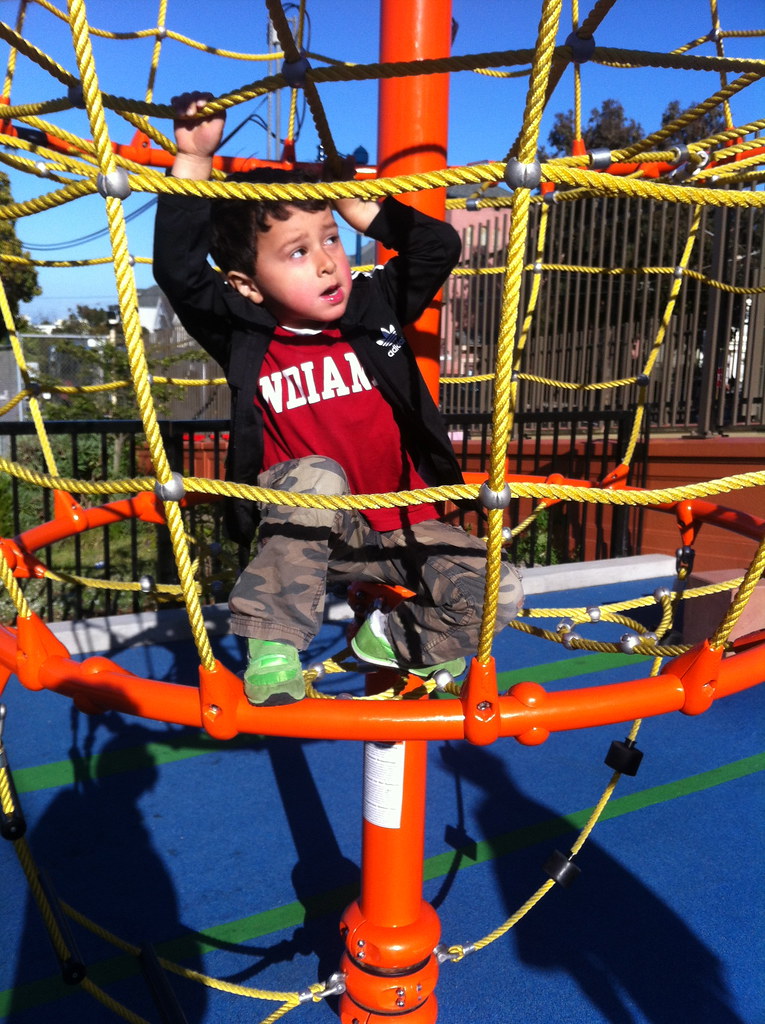
Gavin is a 6-year-old who, when tested, was shown to have a low IQ. He is a very cheerful and active little boy who dances when he walks, is always talking, wants to hug or high five everyone he meets, and just generally has a lot of gusto for life. He loves sports, and has also developed a strong interest in Martin Luther KIng Jr. Gavin previously attended full-day kindergarten at a public school, He was scolded, reprimanded and punished every day for being "off task," talking too much, and being unable to sit at his desk with quiet hands and feet for sit-down lessons. His mom started to notice Gavin changing. Instead of bursting with happiness as he got out of bed each day, Gavin was irritable and didn't want to go to school. She became worried that public school was crushing his spirit. She is hoping that at Someday School he will be encouraged to learn on his own terms.
The websites of many Sudbury Schools and Agile Learning Centers, they point out that there really is no "typical" day for students because every student is different and their days are different as well. To help paint a picture of Someday School, I have thought about how I imagine a typical day might look like for four hypothetical students. The students described here are composites of students I've taught in my special education classes over the years. I'm writing as I imagine how they might do if they were to be at our school.
MAYLIE
Maylie is a 10 year old girl who was attending a public school class for students with emotional and behavioral disorders. Maylie's behaviors have mostly included being disruptive and refusing to do school work. Her parents have been worried because Maylie seems so angry at school and seems to have no interest in anything... if given her choice, they think she'd probably just watch TV 24 hours a day. When asked what she is interested in, Maylie replies, "I don't know," and is unable to think of anything that excites her. Her parents are hoping that at Someday School she will find some sort of motivation for learning.
Here is a typical day for Maylie.
8:15 - Maylie arrives at school, and a facilitator tries to help her make a plan for the day. Maylie shrugs at everything and does not show any interest in any activities. The facilitator tells her to let him know if she thinks of anything she needs help with, and goes away to help another student who arrives. Maylie sits in a chair and does nothing.
9:15 - 10:00 - 6-year-old Savannah comes skipping into the room and asks Maylie to help her get some Strawberry Shortcake dolls from a shelf she cannot reach. Maylie helps her get the dolls, and Savannah then begs Maylie to play with her. Despite her bored and somewhat sour outward appearance, Maylie has a soft heart, and agrees to play dolls with Savannah. (Maylie is becoming more engaged in the world and is learning how it feels to help others.)
10:00 - 10:15 - Savannah asks Maylie to help her make a snack in the kitchen. While in the kitchen, they encounter Gavin. Maylie helps both of them follow directions to make a snack, and they all enjoy some "ants on a log" outside. (Maylie is continuing to become engaged in the world and learning about helping others.)
10:20 - 11:00 - Savannah asks Maylie to come with her to a class in which the younger kids learn alphabet sounds through music and movement. Maylie does not want to participate in the class but she agrees to sit in the back and watch. Afterwards, Amy, the facilitator leading the class, comments on how great Maylie seems to be with younger kids. Maylie mentions that she has several younger cousins that she likes to play with and help care for. Amy points out that the music and movement class is getting larger, and it might be helpful if Maylie is willing to come tomorrow and help out. Maylie agrees to think about it.
11:00 - 12:00 - Maylie tells Savannah she is feeling tired and needs a break. Savannah shows her the sensory room, where Maylie decides to rest in a bean bag chair for a while.
12:00 - 12:45 - Maylie goes to the kitchen to get her lunch, and sees the cooking class taking place. The food smells good,, and the students offer to share. They invite Maylie to participate in tomorrow's cooking class, because they'll be choosing what their next meal will be and planning a trip to the grocery store to buy ingredients. (If Maylie chooses to participate, she will be practicing reading skills, planning skills, social skills, money skills, and later all of the math and reading skills involved in cooking.)
12:45 - 2:45 - Maylie wanders around boredly and looks at what other people are doing. Everyone looks very busy with their own projects. Maylie notices that several facilitators say hi to her or stop to talk to her, but nobody tries to force her to participate in anything. Nobody gives her worksheets and tells her that she cannot do any other activities until she completes them. Nobody accuses her of not following rules.
2:45 - 3:15 - Still bored, Maylie looks at a chart of scheduled activities for tomorrow. She is beginning to understand that there is nothing she will be forced to do. She is also beginning to realize that sitting around doing nothing is not very pleasant. By the time the day is over, Maylie has decided she will definitely help out with the music and movement reading class, and that she might join the cooking class. She leaves school looking forward to the next day.
AMBER
Amber is an 11-year-old girl with autism. She loves to read and draw, and she loves animals. She was previously in a public school, where she attended a general education class and was pulled out for "Resource." Amber has been complaining to her parents that she is bored in school and doesn't have any friends. She also has not made much learning progress in the last 2 school years. She hated school and on some days tried to refuse to go, crying for an hour once she got there. Her parents have decided to let her try Someday School.
Here is a typical day for Amber.
8:30 - Amber arrives at school and makes a plan for what she wants to do today. She also picks a chore... she picks cleaning the guinea pig cage. Not many kids choose this job, but Amber loves animals and enjoys taking care of them.
8:45 - 9:45 - Amber does some water color painting in the art room. She is working on learning to paint pictures of horses. Her paintings have gotten pretty impressive and some of them are hanging around the school in frames. (Amber is getting the chance to express herself and is pursuing her talent.)
9:45 - 10:45 - Amber goes to a book circle that some of the girls have created for themselves with the help of one of the facilitators. They have chosen to read books with strong girl characters. They are in the middle of reading Out Of My Mind, a book about a girl with cerebral palsy who cannot speak, so many people assume she is not intelligent. However, the young character is actually extremely intelligent, and after she advocates for herself to get an augmentative communication device, she is able to show her teachers and peers what she is really capable of. Amber talks about how she can relate to the character, because sometimes she has trouble saying what she is thinking, and people have sometimes thought she wasn't smart or called her weird. (Amber is practicing reading comprehension skills and social skills.)
10:45 - 11:15 - Amber goes to the sensory area for a while and rests while listening to some calming music. (Some students need time to unwind after spending a lot of time with other people. It is a good idea to balance stimulating experiences with quiet time.)
11:15 - 12:30 - Amber and some other students participate in a cooking class taught by one of the facilitators. They previously planned out a meal, and today they are going to cook it and eat it. (Amber practiced reading comprehension skills and planning skills while planning the meal, and is also practicing social skills, team work, and important life skills.)
12:30 - 1:30 - Amber walks to the town library with some other students and a facilitator, and checks out a few books. When they get back, she spends some quiet time outside reading one of her books. (She's practicing reading skills and research skills.)
1:30 - 2:15 - Amber does her chore of cleaning the guinea pig cage. She also enjoys some time playing with and feeding the guinea pig. (She's practicing responsibility by caring for an animal.)
2:15 - 2:45 - Amber participates in a group that has spontaneously gathered to learn lattice multiplication from an older student. She struggled to learn multiplication in her old school. Lattice multiplication seems like a neat trick to her, and she is able to learn it fairly quickly. (She is learning and practicing math skills.)
2:45 - 3:15 - Amber spends the rest of her time in the sensory area listening to some quiet music and playing with clay, until it is time to go home.
GAVIN
Here is a typical day for Gavin.
8:30 - Gavin arrives in the morning. One of the learning facilitators helps him to plan what he would like to do today. He also chooses a chore from the chore board... he chooses to help care for the garden.
8:45 to 10:00- Gavin plays soccer outside with a group of kids of all ages. (Playing soccer is helping him channel his boundless energy, and is also helping him to learn social skills and team work skills.)
10:00 to 10:15 - Gavin goes inside to have a snack. He makes it himself by following a recipe in a book of easy, no-cook snacks for kids to make. An older student helps him by reading the directions aloud to him. (Gavin is practicing reading, following directions, and responsibility for himself.)
10:20 to 11:00 - Gavin participates in a class facilitated by Amy, where students are learning alphabet sounds using music and movement. (Gavin is learning alphabet sounds and reading skills in a very kinesthetic way, which is perfect for his learning style.)
11:10 - 12:00 - Gavin goes outside to help care for the garden. He pulls weeds, and waters plants. He also is in charge of measuring some of the plants and charting how much they have grown since last week. (He's doing math by measuring and graphing, science by learning about the life cycle of plants, and responsibility by helping to care for something.)
12:00 - 12:30 - Gavin and some friends work on building a fort outside. One of the facilitators, Jake, helped them draw up plans for the fort last week, and this week he has been helping them learn how to use some tools. (He's learning social skills, following directions, life skills, and responsibility.)
12:30 to 1:00 - Gavin eats his lunch outside.
1:00 - 1:45 - Gavin participates in a Karate class led by a 12-year-old student who is a Blue Belt. (He's learning self-control and also helping channel more of his boundless energy.)
1:45 -2:15 - Gavin has set a goal for himself of memorizing and being able to recite Martin Luther King Jr's "I have a dream" speech for the school's talent show. Grace, a facilitator, is helping him by reading the speech aloud for him as he reads along, and listening to him as he memorizes it line by line. (He's practicing reading skills, while also learning about US History, and learning how to set and reach his goals.)
2:15 -3:15 - One of the facilitators is helping some students to do a science experiment involving Mentos and diet soda. First they've made some predictions about what they think will happen, and then they carry out the experiment. Finally, they do some reading to find out why the experiment resulted in an amazing soda geyser. Afterwards, Gavin asks the facilitator to help him write down the steps of the experiment so that he can try it again at home. (He's practicing reading skills, writing skills, science, and following directions.)
3:15 - School is finished! Gavin goes home happy and tired, looking forward to more learning the next day.
Subscribe to:
Posts (Atom)